
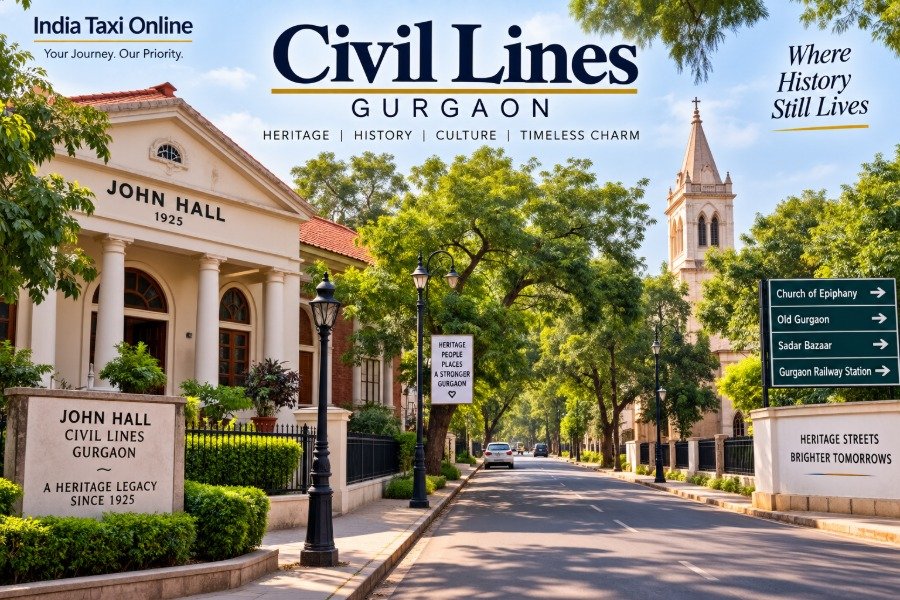
Civil Lines
Civil Lines Gurgaon: Heritage, John Hall, Things to Do & Travel Guide
Civil Lines Gurgaon is one of the most historic neighbourhoods in Gurugram, known for its tree-lined roads, colonial-era buildings, government institutions and quiet residential character. At the heart of Old Gurgaon, the area offers a striking contrast to the city’s modern skyscrapers. Its highlights include John Hall, the Church of Epiphany and nearby heritage streets, making Civil Lines ideal for history enthusiasts, photographers and travellers exploring Old Gurgaon.
What is Civil Lines Gurgaon?
Civil Lines is an established neighbourhood in the older part of Gurugram, Haryana. Historically associated with the city’s administrative establishment, the area developed around government offices, residences and institutions and retains a noticeably different character from modern Gurugram’s commercial districts.
Its most important heritage landmark is John Hall, a colonial-era building dating to 1925. Haryana’s Directorate of Archaeology & Museums describes it as being in Civil Lines and records that it was originally known as the Gurgaon Agricultural Hall. The building formed part of the so-called “Gurgaon Experiment”, an administrative programme associated with transforming the district.
Today, Civil Lines is best experienced slowly. Wide roads, mature trees, older buildings and surviving colonial-era architecture make it one of the more interesting areas for understanding Gurugram’s history.
Why Should You Visit Civil Lines?
- Colonial heritage: Explore one of Gurugram’s most historically significant neighbourhoods.
- John Hall: See a 1925 heritage structure associated with the city’s administrative past.
- Church of Epiphany: Discover one of the area’s best-known colonial-era religious buildings.
- Heritage walks: Civil Lines has featured in organised heritage walks covering John Hall and nearby historic sites.
- Photography: Tree-lined roads, old façades and historic architecture offer a very different photographic setting from Cyber City.
- Old Gurgaon: Combine Civil Lines with Jacobpura, Sadar Bazaar and other older neighbourhoods.
- Quiet atmosphere: The district is generally more restrained and residential than Gurugram’s commercial centres.
- History: Learn how Gurgaon developed as an administrative centre during the colonial period.
- Architecture: Look for older bungalows, institutional buildings, verandahs, doors and period details.
- Local experiences: Combine heritage sightseeing with nearby markets and traditional food.
What is the History of Civil Lines Gurgaon?
Civil Lines developed as part of Gurgaon’s administrative landscape during the British period. The old administrative station included government offices and residential areas for officials, alongside Sadar Bazaar and the settlement later known as Jacombpura.
The historical record is particularly valuable here because the 1883–84 Gurgaon District Gazetteer documented the administrative station and its surrounding settlements. The Census of India later reproduced this historical description, noting that the station included public offices, European residences, Sadar Bazaar and Jacombpura.
Civil Lines therefore represents an important layer of Gurugram’s history: the period when Gurgaon was developing from a relatively small settlement into a district headquarters.
The neighbourhood’s heritage is still visible today, although it exists alongside modern roads, institutions and newer development.
What are the Top Places to Visit in Civil Lines?
1. John Hall
John Hall is the area’s standout heritage landmark. Haryana’s Directorate of Archaeology & Museums dates the building to 1925 and describes its original connection with the Gurgaon Agricultural Hall. It was built in memory of John Goble Brayne and later became associated with meetings and public functions.
Why visit: Colonial architecture and local history
Recommended duration: 30–60 minutes
Best for: Photography and heritage enthusiasts
2. Church of Epiphany
The Church of Epiphany is another important historic structure in Civil Lines. INTACH’s Gurgaon chapter describes the church as more than 150 years old and notes its colonial architectural character, including thin lancet windows and a red sloping roof.
Why visit: Architecture and religious heritage
Recommended duration: 20–40 minutes
Visitor tip: Respect worshippers and check access arrangements before entering.
3. Civil Lines Heritage Streets
The roads surrounding John Hall and the older institutional buildings are themselves worth exploring. Heritage walks have highlighted Civil Lines as an area where historic structures remain surprisingly close to modern Gurugram.
Why visit: Street photography and architectural details
Recommended duration: 45–90 minutes
4. Sadar Bazaar
Sadar Bazaar lies within the wider Old Gurgaon area and is a natural addition to a Civil Lines heritage itinerary. Its traditional shops, clothing stores, food outlets and busy streets provide a sharp contrast with Civil Lines’ quieter atmosphere.
Why visit: Shopping, food and local culture
Recommended duration: 1–2 hours
5. Sheetla Mata Mandir
The temple is another important Old Gurgaon landmark. The Gurugram district administration identifies it as a major religious site and notes particularly large gatherings during Navratri and other festival periods.
Why visit: Religious and cultural heritage
Recommended duration: 45–90 minutes
What are the Best Things to Do in Civil Lines?
- Visit the exterior and surroundings of historic John Hall.
- Explore the Civil Lines roads on foot.
- Photograph colonial-era architecture and mature trees.
- Learn about Gurgaon’s administrative history.
- Visit the Church of Epiphany respectfully.
- Continue towards Sadar Bazaar for local shopping.
- Combine Civil Lines with Jacobpura and Old Gurgaon.
- Visit Sheetla Mata Mandir as part of a wider heritage itinerary.
- Try traditional snacks in the surrounding Old Gurgaon area.
- Hire a private taxi if you want to cover several historic locations in one outing.
When is the Best Time to Visit Civil Lines?
October to March is the most comfortable period for a heritage walk around Civil Lines. Cooler weather makes it easier to explore the roads and surrounding attractions on foot.
| Season | Conditions | Best for |
|---|---|---|
| Winter: Oct–Mar | Cooler and comfortable | Heritage walks & photography |
| Summer: Apr–Jun | Hot, especially midday | Early morning visits |
| Monsoon: Jul–Sep | Humid with rainfall | Greenery and short walks |
Early mornings are particularly attractive for photography because the streets are quieter and the light is softer. During summer, avoid prolonged walking in the afternoon.
How Can You Reach Civil Lines Gurgaon?
By air: Indira Gandhi International Airport in Delhi is the nearest major airport. The Gurugram district administration lists the airport at approximately 16.8 km from Sheetla Mata Mandir in the wider Old Gurgaon area.
By train: Gurugram Railway Station is the principal railway connection for Old Gurgaon. Haryana Tourism describes it as being at the western end of the old city.
By metro: The most convenient metro station depends on the exact destination. Millennium City Centre Gurugram is on the Delhi Metro Yellow Line, with local transport required for the onward journey to Civil Lines.
By road: Civil Lines is centrally positioned within the older Gurugram road network and is accessible from Delhi and other parts of the NCR.
By taxi: A private car is particularly convenient if you want to visit Civil Lines, John Hall, Sadar Bazaar, Jacobpura and Sheetla Mata Mandir in one itinerary.
India Taxi Online can be considered for airport transfers, local sightseeing, hotel transfers, intercity travel and chauffeur-driven car rentals. Larger groups can consider a Tempo Traveller on Rent or Force Urbania on Rent.
Other useful services for the wider itinerary include Delhi Taxi Service, Airport Taxi Service, Delhi Sightseeing Tour, Luxury Car Rental and Outstation Taxi Service.
Civil Lines Gurgaon Travel Tips
- Explore on foot where practical; the neighbourhood’s character is easy to miss from a moving car.
- Visit heritage buildings from public areas unless official access is available.
- Do not enter government or private premises without permission.
- Ask before photographing people or private residences.
- Wear comfortable footwear for a heritage walk.
- Early morning and late afternoon are better for photography.
- Carry water during warmer months.
- Combine Civil Lines with Sadar Bazaar rather than treating it as a standalone full-day attraction.
- Traffic can increase around government offices and major roads.
- Visitors with mobility difficulties should plan the walking route beforehand.
- Check current access arrangements for individual heritage properties before travelling.
Frequently Asked Questions
What is Civil Lines Gurgaon famous for?
Civil Lines Gurgaon is best known for its historic administrative character, colonial-era architecture and landmarks such as John Hall and the Church of Epiphany. The neighbourhood is also valued for its tree-lined roads and proximity to the older parts of Gurugram.
Is Civil Lines Gurgaon worth visiting?
Yes, especially for travellers interested in history and architecture. Civil Lines is not a conventional entertainment district; its appeal comes from its streetscape, historic buildings and connection with Old Gurgaon’s administrative past. It works particularly well as part of a wider heritage walk.
What is John Hall in Gurgaon?
John Hall is a historic building in Civil Lines dating to 1925. Haryana’s Directorate of Archaeology & Museums says it was originally known as the Gurgaon Agricultural Hall and was built in memory of John Goble Brayne. It is an important reminder of Gurgaon’s colonial administrative history.
What is the Church of Epiphany in Gurgaon?
The Church of Epiphany is a historic church in Civil Lines. INTACH’s Gurgaon heritage documentation describes it as more than 150 years old and highlights its colonial-era architectural features. It is one of the structures commonly included in heritage explorations of Old Gurgaon.
Is Civil Lines Gurgaon good for photography?
Yes. Civil Lines offers a very different photographic setting from modern Gurugram. Mature trees, older buildings, quiet roads, architectural details and heritage structures provide strong subjects, particularly during early morning or late afternoon.
How much time do I need in Civil Lines Gurgaon?
Allow around two to three hours for a relaxed visit covering the main heritage area. If you combine Civil Lines with Sadar Bazaar, Jacobpura and Sheetla Mata Mandir, a half-day or longer itinerary is more appropriate.
Which railway station is nearest to Civil Lines Gurgaon?
Gurugram Railway Station is the main railway station serving the old city. Haryana Tourism identifies it as being at the western end of the old city, making it a useful rail connection for visitors exploring Civil Lines and nearby historic neighbourhoods.
Which airport is nearest to Civil Lines Gurgaon?
Indira Gandhi International Airport in Delhi is the nearest major airport. From the airport, a pre-booked taxi is often practical for visitors carrying luggage or travelling directly to a Civil Lines hotel or another destination in Old Gurgaon.
Can I visit Civil Lines and Sadar Bazaar together?
Yes. They make a good combination because both are part of the older Gurugram area. Civil Lines provides the heritage and architectural experience, while Sadar Bazaar adds traditional shopping, food and everyday market life.
What is the best time to visit Civil Lines Gurgaon?
October to March is generally the most comfortable period for exploring Civil Lines. Winter mornings are particularly pleasant for walking and photography. During summer, schedule outdoor sightseeing for early morning or late afternoon and avoid the hottest part of the day.
